Sustainable painting practices are becoming a bigger part of smart house painting decisions, and for good reason. Homeowners are asking better questions about what goes on their walls, what goes into the air, and how long a paint job will truly last.
At its core, sustainable painting practices focus on reducing waste, lowering harmful emissions, and choosing products that perform well over time. That means thinking about the paint, the primer, the prep work, and even what happens to leftover materials after the project is done.
Key Takeaways:
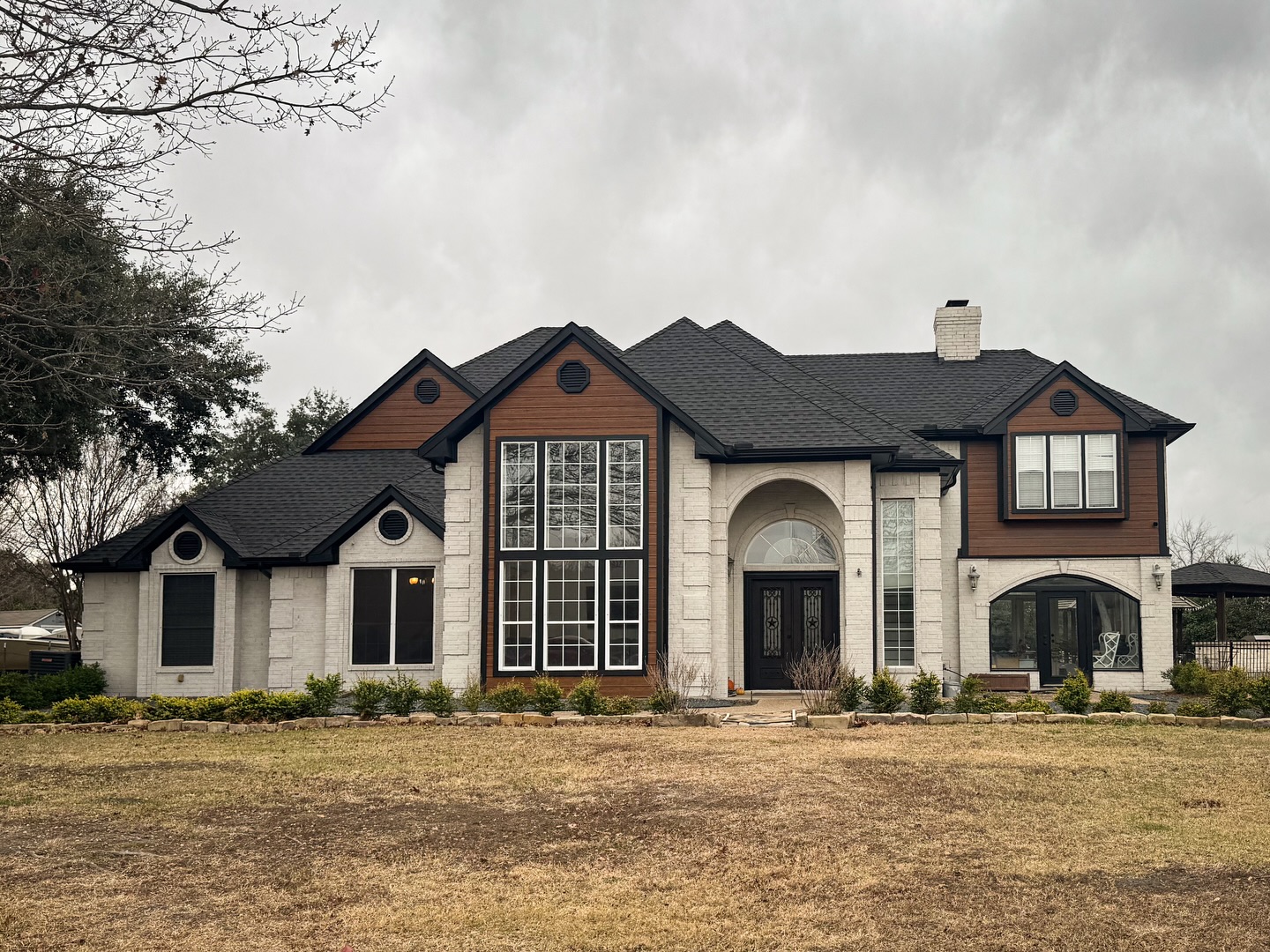
Why Sustainable Painting Practices Matter More Than Ever
Paint has come a long way. Years ago, strong fumes and high levels of volatile organic compound content were common. Today, many acrylic paint and latex products are designed with lower emissions in mind.
Volatile organic compound levels affect indoor air quality. When paint dries, these compounds are released into the air. In small spaces, that can linger longer than most people expect.
Sustainable painting practices reduce that impact. They focus on:
- Choosing low-VOC or zero-VOC paint
- Limiting unnecessary coats
- Improving ventilation during application
- Selecting finishes that hold up, so repainting is less frequent
When a coat lasts longer, fewer materials are used over time. That alone makes a difference.
Choosing Paint That Performs And Protects
Not all paint labeled environmentally friendly performs the same. Some products advertise low VOC levels but still contain higher VOC colorants. That is why product selection matters.
Most modern interior projects rely on water-based acrylic paint or latex formulas. These options:
- Dry faster
- Produce fewer odors
- Clean up with water
- Reduce exposure to harsh solvents
For exteriors, the conversation shifts slightly. Durability matters more because sun, rain, mildew, and temperature swings all take a toll. A high-quality exterior paint type system, including the right primer, improves paint adhesion and extends the life of the finish.
Finish also plays a role. Satin and eggshell finishes are popular for walls. Gloss and semi-gloss work well on trim and doors because they resist moisture and are easier to wipe clean. Choosing the correct gloss level reduces early wear and repeat work.
Prep Work Is Where Sustainable Painting Practices Start
Most people focus on the paint itself. However, sustainable painting practices truly begin during prep.
Surface cleaning, sanding, caulk application, and patching determine how well a coat bonds to wood, masonry, brick, siding, or concrete. Good adhesion prevents peeling and early failure.
Here is what responsible prep often includes:
- Dust control when sanding old paint
- Proper handling of rust on metal surfaces
- Safe removal practices in older homes that may contain lead
- Using the right primer for the surface
Primer is not optional in many cases. On new drywall, a proper base coat helps seal the surface. On exterior stucco or masonry, it improves bonding and moisture resistance. Skipping primer may save time upfront but shortens the life of the project.
Sustainable painting practices value longevity over shortcuts.
Managing Waste And Materials The Right Way
Another overlooked part of sustainable painting practices is material management. Paint, water, and debris should not end up in storm drains or soil.
Responsible crews typically:
- Calculate the right amount of paint to reduce excess
- Store leftover product properly for future touch-ups
- Recycle metal paint cans when possible
- Dispose of oil-based materials according to local guidelines
Even something as simple as switching from disposable plastic drop cloths to reusable canvas cloths reduces waste.
Over time, these small decisions add up.
Exterior Coatings And Energy Impact
Paint can influence more than appearance. On exterior surfaces, color and formulation affect heat absorption.
Lighter colors reflect more sunlight. In warmer climates, this can slightly reduce surface temperatures on siding and roof structures. While paint alone will not change energy bills dramatically, it can support broader energy-efficient goals.
Certain exterior house paint types are designed to resist mildew growth and moisture penetration. That reduces long term damage to wood and stucco surfaces.
Sustainable painting practices think ahead. They ask how this coat will perform five or ten years from now, not just how it looks next week.
Indoor Air Quality And Everyday Living
Once the project is complete, the home should feel comfortable, not chemical-heavy.
Low VOC latex and acrylic paint options help reduce lingering odors. That matters in bedrooms, bathrooms, and common living areas. Moisture-heavy rooms, like bathrooms, also benefit from finishes that resist mildew without heavy solvent content.
When sustainable painting practices are applied properly, homeowners notice:
- Less odor during application
- Faster return to normal room use
- Fewer callbacks for peeling or bubbling
That balance between performance and health is the goal.
How Sustainable Painting Practices Fit Into Our Process
At Highland Painting, sustainable painting practices are part of how we approach every project. It is not a marketing phrase. It shows up in our daily decisions.
For example, we focus on proper prep before opening a paint can. We choose high quality products with lower volatile organic compound content. We use the correct primer for each surface to improve adhesion and extend the life of the coat.
Here is how that looks in action:
- Careful surface prep on wood, brick, siding, and concrete
- Appropriate primer selection for drywall, metal, or masonry
- Thoughtful finish selection from satin to gloss based on use
- Clean jobsite practices that protect landscaping and water systems
- Responsible storage and disposal of leftover materials
Our painters in Frisco, TX often deal with heat, humidity, and intense sun exposure. Those conditions demand durable exterior paint types that resist mildew and fading. Sustainable painting practices in this climate mean choosing coatings that stand up to the elements while still reducing unnecessary environmental impact.
Call us at 469-642-0972 for a FREE estimate and let’s talk about a finish that looks great and performs for years.