If you have ever stared at paint samples and thought they all looked the same, you are not alone. The difference between satin paint vs. matte paint rarely shows up on a tiny swatch, yet it changes how a room feels, how walls age, and how surfaces hold up over time. Even the same color can behave very differently once it is on the wall, ceiling, or trim.
This choice comes up a lot when homeowners start planning updates for living spaces, bathrooms, and even oak kitchen cabinets. Sheen plays a bigger role than most people expect, especially once lighting, water exposure, and daily use come into play.
Key Takeaways:
- Satin paint vs. matte paint affects more than appearance. Sheen impacts durability, light reflection, and how walls handle everyday wear.
- Satin paint holds up better in busy areas. It works well in kitchens, bathrooms, hallways, and on oak kitchen cabinets where cleaning is more common.
- Matte paint softens a space visually. Its low sheen helps hide wall imperfections and works best in low-traffic rooms like bedrooms and dining areas.
- Lighting changes how each finish looks. Satin reflects light and shows texture, while matte absorbs light and creates a calmer feel.
- The right finish depends on how the room is used. Choosing between satin paint vs. matte paint should match daily activity, moisture, and long-term maintenance expectations.
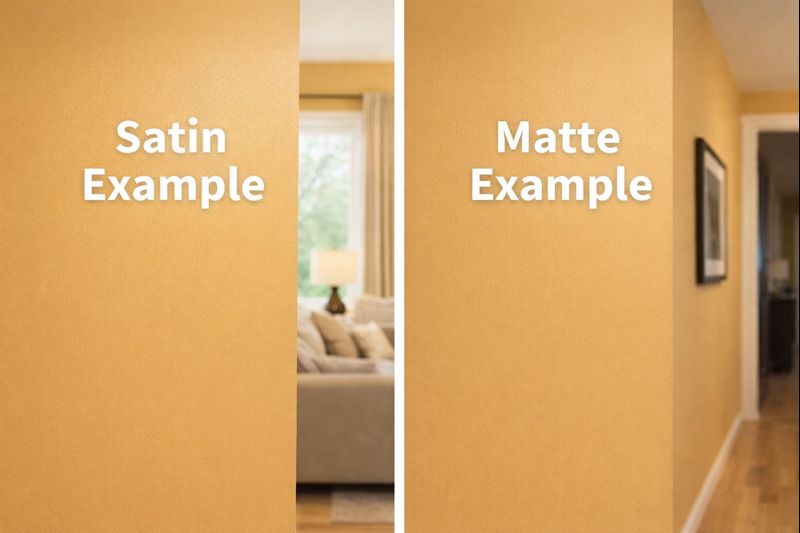
Why Paint Sheen Matters More Than Color Alone
Color gets all the attention, but sheen controls how that color actually shows up in your space. Satin paint vs. matte paint is less about style preference and more about performance.
Sheen affects how light bounces off the surface, how much texture you notice, and how the paint reacts to moisture, dust, and routine cleaning. In homes with kids, pets, or heavy foot traffic, sheen choices can quietly save you from frustration later.
Light, water, and surface conditions all play a role. A glossy surface reflects more light and highlights texture. A flatter surface absorbs light and softens visual flaws. Once you see sheen as a functional decision, the choice for ouyr next house painting project becomes easier.
Understanding Satin Paint Beyond The Label

Satin paint sits in the middle of the sheen range. It has a soft glow that reflects light without looking shiny. That balance is why it shows up so often in modern homes.
This finish works well on walls that see regular use. Think hallways, bathrooms, kitchens, and areas near windows where light moves across the surface during the day. Satin paint also pairs nicely with oak kitchen cabinets when homeowners want a finish that feels clean but not glossy.
What People Like About Satin Paint
- Handles light cleaning and wipe downs better than flatter finishes
- Adds subtle depth to color without overpowering the room
- Works on walls, trim, doors, and cabinetry
- Holds up better in spaces with water or humidity
Where Satin Paint Can Struggle
- Shows dents, patches, and drywall texture more easily
- Highlights brush marks or roller patterns if the application is rushed
- Costs slightly more than flatter finishes
Satin paint contains more binders, which helps with paint adhesion and durability. That same structure is what causes it to reflect light and show surface details. Preparation matters more with satin than with matte, especially on older walls.
Matte Paint and Why It Still Has A Place
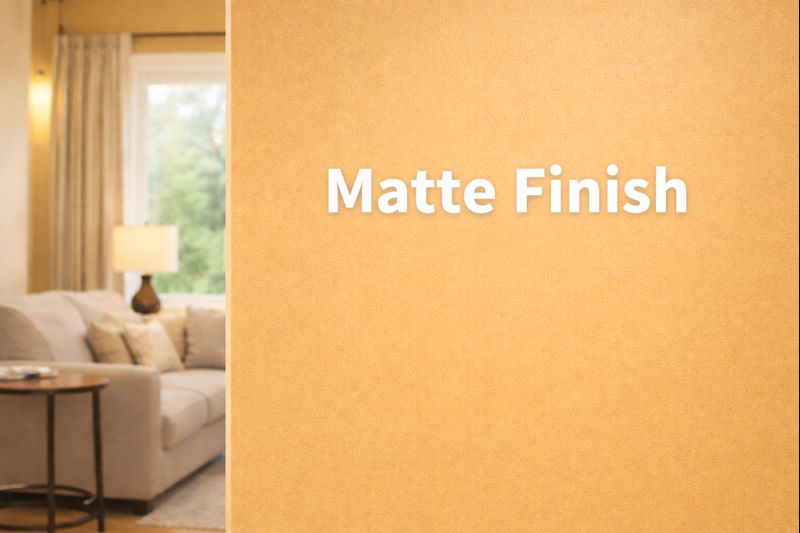
Matte paint sits at the low end of the sheen range. It has little to no shine and creates a smooth, soft appearance. This finish has a way of making colors feel calm and grounded.
In the satin paint vs. matte paint conversation, matte often wins for rooms meant for rest. Bedrooms, dining rooms, and low-traffic living areas benefit from how matte paint reduces glare and hides imperfections.
Why Homeowners Choose Matte Paint
- Hides drywall flaws, patches, and uneven textures
- Creates a smooth, muted look that feels comfortable
- Makes deep colors look rich and consistent
- Usually costs less per gallon
Limitations To Keep In Mind
- Marks and scuffs show more easily
- Frequent cleaning can burnish the surface
- Not ideal for moisture-heavy areas
- Rarely used on trim or cabinetry
Matte paint absorbs light instead of reflecting it. In bright rooms, which can feel cozy. In darker spaces, it may make the room feel smaller. Lighting should always be part of the decision.
Appearance Differences You Notice Right Away
When comparing satin paint vs. matte paint, appearance is often the first thing people react to. Satin finishes brighten a space by bouncing light around. Matte finishes soften the room and keep attention on furniture and decor.
Satin paint can make colors feel sharper and more energetic. Matte paint tones things down and creates visual calm. In open floor plans, satin walls often help light travel through the space. In focused rooms like offices or bedrooms, matte paint keeps distractions low.
For oak kitchen cabinets, satin finishes tend to highlight grain patterns more clearly. Matte finishes soften the wood look and reduce glare from overhead lighting.
Durability and Daily Wear Over Time
Durability is where satin paint vs. matte paint starts to separate clearly. Satin paint resists scuffs and minor impacts better because of its flexible binder structure. That flexibility helps paint move slightly instead of cracking.
Matte paint lacks that elasticity. While it hides flaws well, it does not handle friction or repeated contact as easily. In hallways or kids’ rooms, that difference becomes noticeable faster than expected.
Humidity also plays a role. Satin paint performs better near water sources like sinks, tubs, and windows. Matte paint can struggle in these areas, especially where water or mildew may develop.
Cleaning Expectations and Maintenance Reality
Cleaning habits matter more than many homeowners realize. Satin paint allows gentle wiping with water and mild cleaners. Matte paint often reacts poorly to repeated scrubbing.
With satin paint, dust and fingerprints wipe away without changing the finish. With matte paint, aggressive cleaning can create shiny spots or uneven patches. That does not mean matte paint is fragile, but it does require a lighter touch.
This is why satin paint vs. matte paint decisions should reflect how the space is used, not just how it looks on day one.
Texture and How The Surface Feels
Texture is subtle, but it affects perception. Satin paint feels slightly slick to the touch. Matte paint feels softer and almost powdery.
That difference influences how rooms feel emotionally. Satin paint feels crisp and clean. Matte paint feels relaxed and understated. In rooms designed for entertaining, satin finishes often feel lively. In spaces meant for rest, matte finishes feel more comfortable.
Cost Differences and What Drives Pricing
Cost differences between satin and matte paint are usually modest. Satin paint costs a bit more per gallon due to added resins and binders. Over a full home, that difference can add up, but it rarely drives the decision alone.
Quality matters more than sheen when it comes to long term value. Paint with better adhesion, pigment density, and resistance to mildew tends to perform better regardless of finish.
If you are curious how finishes affect longevity, how long paint lasts plays a role in deciding where investing a little more upfront makes sense.
Choosing The Right Finish For Each Space
Instead of asking which finish is better overall, the better question is where each finish works best.
Satin Paint Often Works Well In
- Kitchens and bathrooms
- Hallways and entryways
- Laundry rooms
- Oak kitchen cabinets
- Spaces with frequent cleaning
Matte Paint Fits Best In
- Bedrooms
- Dining rooms
- Living rooms with limited traffic
- Ceilings
- Older walls with surface flaws
If color behavior is part of your concern, understanding does paint dry darker or lighter can help set expectations before final decisions are made.
How Lighting Changes Everything
Lighting can exaggerate or soften sheen differences. Natural light highlights satin finishes and can make walls appear more reflective during certain times of day. Artificial lighting creates predictable reflections that show texture more clearly.
Matte paint absorbs light, which helps hide uneven surfaces but can make rooms feel dim if the lighting is limited. Testing paint under real lighting conditions always reveals more than showroom samples.
Many homeowners use paint color visualizers to see how sheen and color interact before final selections are made.
Special Considerations For Kitchens And Cabinets
Kitchens bring unique challenges. Heat, water, grease, and constant use demand finishes that hold up. Satin paint often outperforms matte in these conditions.
For oak kitchen cabinets, satin finishes balance durability with a natural look. They highlight wood grain while allowing for cleaning without constant touch-ups. Matte finishes can work on cabinetry in lower-use areas, but maintenance expectations should be realistic.
If you want a broader overview of sheen choices, types of wall paint finishes connect well with understanding how kitchens differ from other rooms.
Working With Professional Painters Makes The Difference
Choosing between satin paint and matte paint is only part of the equation. Application quality, surface prep, and product selection matter just as much.
Professional painters account for adhesion, surface condition, moisture exposure, and long-term wear. They also understand how volatile organic compound levels, primer selection, and proper coat thickness affect final results.
At Highland Painting, our expert painters in Dallas, TX evaluate each space before recommending a finish. That includes walls, ceilings, trim, and oak kitchen cabinets. We factor in water exposure, lighting, existing texture, and how the space is actually used day to day.
How Highland Painting helps you make the right choice:
- Surface evaluation and prep planning
- Sheen’s recommendations based on room use
- Proper primer and coat selection
- Clean application with attention to detail
- Long-term performance-focused approach
If you are planning a painting project in Dallas, Prosper, Celina, and the surrounding areas, our team is ready to help.
Call Highland Painting at 469-642-0972 for a FREE estimate and guidance that fits your home, not just the paint can label.