

You stand in your Southlake driveway in late summer and you can see it on the trim. The caulking has cracked at the window joints. The fascia is showing dark streaks that wash off only partially. The bottom edges of the door casings have started flaking. The exterior repaint from three years ago is already showing the kind of failure that should have been seven years away.
Most exterior trim paint problems in Southlake do not happen randomly. They trace to one of three causes: inadequate surface preparation, the wrong product for North Texas heat, or rushed application during peak summer temperatures. Get those three right and quality trim work holds for 7 to 10 years; get any of them wrong and you are back on a ladder within 2 to 4.
This guide breaks down why exterior trim paint fails on Southlake homes, the product chemistry that actually matters in DFW summer heat, the prep work that determines whether your investment lasts, and how to spot the red flags before they become full repaints.
Key Takeaways
- Most exterior trim paint failures in Southlake trace to inadequate surface prep or the wrong paint formulation, not the brand on the can.
- DFW summer temperatures regularly exceed 100°F with extreme expansion and contraction cycles that stress trim paint films.
- Semi-gloss 100% acrylic latex is the right product category for Southlake trim, applied over exterior-grade primer.
- Quality prep and product deliver 7 to 10 year trim paint lifespan; shortcuts cut that to 2 to 4 years.
- Re-caulking at every joint is non-negotiable on Southlake trim repaints in North Texas conditions.
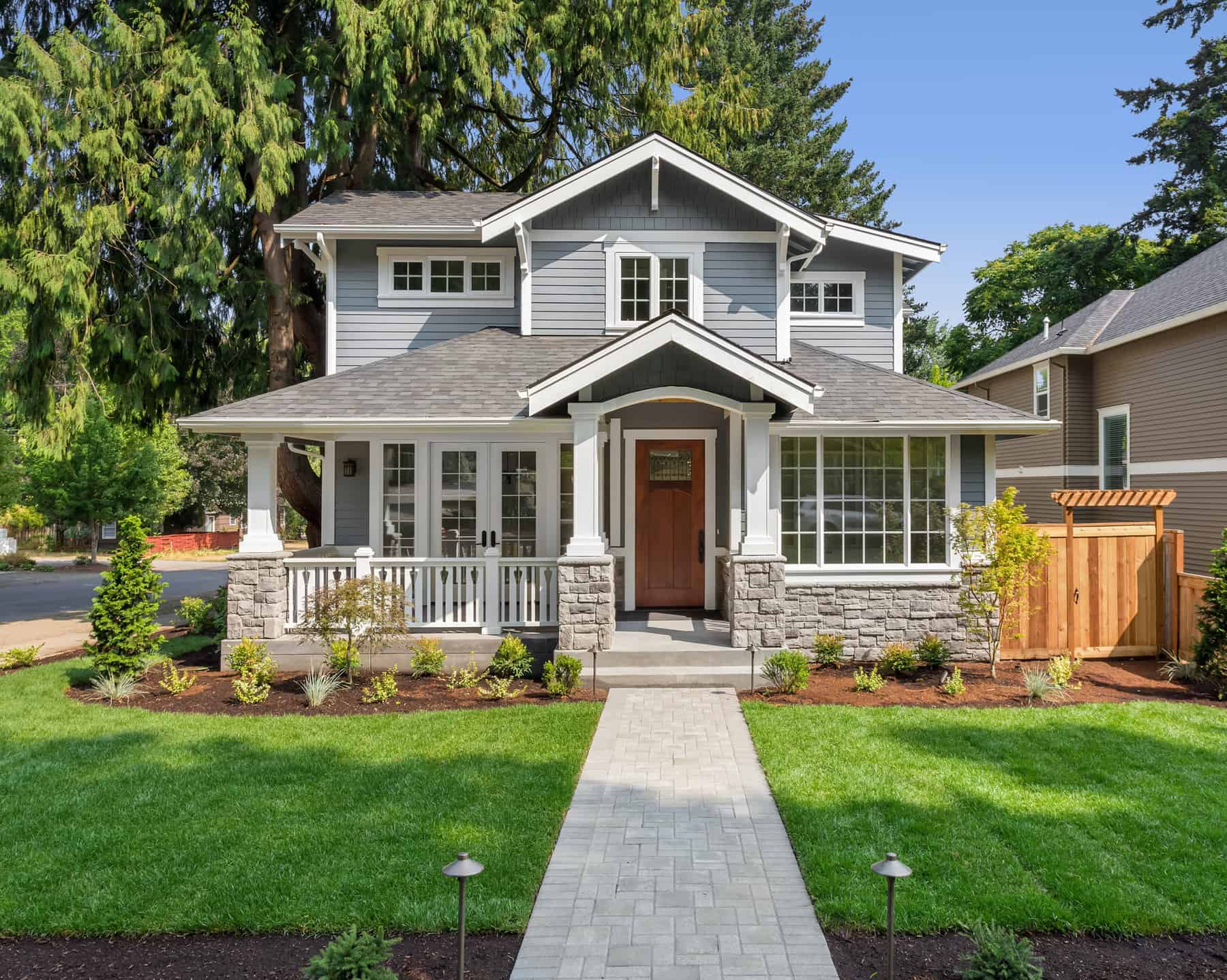
Why Exterior Trim Paint Fails Faster Than You Would Expect in Southlake
Trim takes a harder beating than any other painted surface on a Southlake home. Three failure mechanisms dominate the trim paint problems we see in DFW.
Poor Surface Adhesion
Paint peeling almost always traces to a combination of outside moisture and loss of adhesion at the substrate. Painting over cracked or peeling paint without proper scraping and sanding creates a weak bond that fails within months.
Many homeowners and contractors skip the tedious scraping work that creates a proper surface for new paint to grab. Without it, even premium product fails because it is bonding to compromised paint rather than to the wood itself.
North Texas Thermal Movement
According to NOAA North Texas climate data, the DFW metro experiences summer temperatures that regularly exceed 100°F with daily swings of 20°F+ between morning lows and afternoon highs. Wood trim expands and contracts continuously through these cycles, and any rigid or poorly bonded paint cracks and lifts under that movement.
The expansion-contraction stress is significantly higher in Southlake than in milder markets, which is why national paint product specifications often fall short here.
Moisture Intrusion
Once water gets behind the paint film, it creates a wedge that pushes the coating away from the wood. The freeze portion of freeze-thaw cycling that occurs in DFW winters accelerates this damage.
Areas where moisture accumulates around horizontal trim surfaces and unsealed joints peel first.
The Hidden Costs of Trim Paint Problems
When exterior trim paint fails on a Southlake home, the problem rarely stays cosmetic. Three secondary costs typically follow.
From Cosmetic to Structural
Peeling paint exposes wood to moisture, which leads to wood rot, water damage, and replacement-level repairs. What starts as a $500 cosmetic touch-up at the early-warning stage often turns into a $5,000 board replacement plus repaint within 18 months.
The exposed wood absorbs water, swells, develops fungal growth in DFW humidity, and eventually turns gray and soft. At that point, paint is no longer the issue; structural repair is.
The Repair Cycle
If peeling trim is not addressed properly the first time, the job typically lasts only 2 to 4 years before failure repeats in the same areas. Done correctly with proper prep and product, the same job holds 7 to 10 years.
That 5+ year difference in lifespan represents a significant difference in long-term cost.
Choosing Paint That Actually Works in Texas Heat
Three product properties matter more than the brand label on the can for Southlake trim paint.
Acrylic Latex for Flexibility
100% acrylic latex paint is the right product category for North Texas exterior trim. The flexibility allows the paint film to move with the wood as it expands and contracts through DFW summer heat cycles.
Oil-based exterior paint becomes brittle in DFW humidity within a few seasons and cracks under thermal cycling. For the deeper comparison, see our guide on oil vs latex exterior paint.
Semi-Gloss for Protection
Semi-gloss finishes are the right choice for exterior trim. The higher sheen delivers better moisture resistance, easier cleaning of pollen and DFW dust, and significantly better resistance to mildew in summer humidity.
Flat or eggshell finishes on trim hold dirt, fade faster, and show wear sooner than semi-gloss in DFW conditions.
UV and Heat Resistance
Premium exterior product lines include UV-resistant pigments and heat-stable resin systems specifically formulated for high-exposure conditions. The cost difference between budget paint and premium product is typically $15 to $25 per gallon; the lifespan difference is often double.
For Southlake trim that takes full summer sun exposure, the premium product tier is non-negotiable.
Surface Preparation: The Make-or-Break Factor
Even premium paint fails when applied over poor surface prep. The preparation determines whether your investment lasts 3 years or 10 years.
Remove All Loose Material
Professional preparation includes scraping all loose, peeling paint down to solid bare wood using hand scraping and power sanding. Skipping this step is the single most common reason DFW trim repaints fail within 18 months.
Even a quality topcoat applied over compromised existing paint bonds to the failing layer, not the substrate. The new paint follows the old paint into failure.
Prime Properly
Bare wood should always be primed with an exterior-grade, stain-blocking primer before topcoat goes on. The primer seals the wood, blocks tannin bleed, and provides the gripping layer the topcoat needs.
For high-moisture areas, oil-based primer outperforms water-based options. For trim that has been previously painted in good condition, a quality acrylic bonding primer is appropriate.
Address Caulk and Gaps
Every joint where different materials meet should be re-caulked with high-quality paintable exterior caulk before painting. Failed caulk allows moisture intrusion that leads to wood rot and stress on paint edges.
For window trim specifically, where caulk failures show up first and worst, see our guide on how to paint exterior window trim.
Professional Application Makes the Difference
Quality trim repaint work in Southlake requires the right tools, the right materials, and the right timing. Two of those are within homeowner control; one requires watching the calendar.
The Right Tools and Materials
A real trim project requires scrapers, sanders, exterior-grade wood filler, high-performance primer, premium exterior paint, and commercial-grade caulking. The cost of professional-grade tools alone runs $300 to $500, which is part of why DIY trim work rarely matches professional finish quality.
For the broader product and process context that produces healthier, longer-lasting finishes, see our guide on sustainable painting practices for lasting finishes.
Timing Matters in North Texas
Painting season in Southlake runs roughly March through May and September through November. Peak summer (June through August) brings surface temperatures that exceed paint manufacturer specifications and cause adhesion problems.
For why timing affects adhesion and cure quality so significantly, see our guide on exterior paint temperature before hiring a contractor.
When to DIY vs Hire
Small trim touch-ups on accessible ground-floor sections are reasonable DIY territory for experienced painters. Full trim repaints on multi-story Southlake homes, especially homes showing widespread failure, are professional territory.
For the full breakdown of what drives a professional exterior project cost, see our guide on what affects exterior painting cost most.
Red Flags That Signal Trouble Ahead
Five visible warning signs typically precede a full trim paint failure in Southlake. Catching them early turns a touch-up into a manageable maintenance task.
Warning Signs to Watch For
Annual trim inspection is the cheapest preventive maintenance available on a Southlake home. Walk the perimeter in early spring and look for the following.
- Cracks or gaps opening up in caulk joints around windows, doors, and trim transitions.
- Paint that feels soft or spongy when pressed, indicating moisture absorption underneath.
- Hairline cracks or peeling along the bottom edges of fascia and door casings.
- Discoloration or gray patches in the wood showing through faded paint.
- Paint that chips off easily when scraped with a fingernail.
When Touch-Up Is Not Enough
Touch-ups work when the failure is localized to one or two small areas, the surrounding paint is still bonded, and the underlying wood is sound. If failure has spread to multiple sections of trim or if the wood underneath shows damage, a full trim repaint is the honest answer.
The cost difference between a year-3 maintenance touch-up and a year-5 full repaint is typically 10x or more on a Southlake home.
Beyond the Quick Fix: Long-Term Protection
The goal of a trim paint job is not just to make the trim look good now. It is to create a protective barrier that lasts a decade.
The 7 to 10 Year Goal
Quality professional trim work in Southlake delivers 7 to 10 years of service. Hitting the top of that range comes down to three factors: premium acrylic latex product, complete prep including scraping and re-caulking, and application during the right weather window.
Annual inspections with timely touch-ups extend the lifespan further and catch problems before they require full repaints.
Maintenance Schedule
Inspect your trim once a year in early spring. Wash trim every 12 to 18 months with mild soap and water to remove pollen, DFW dust, and any mildew before it bonds to the paint surface.
Touch up small failure spots immediately rather than waiting for them to spread. The 30 minutes of touch-up work at year 3 prevents the full repaint at year 5.
Your home’s trim is the first detail visitors see when they pull up to your Southlake house, and North Texas weather punishes shortcuts on every step from prep to topcoat. Whether you want an honest assessment of how far the failure has progressed on your trim, advice on the right materials for DFW summer heat, or a full professional repaint that holds for 7 to 10 years, our team at Highland Painting will walk you through exactly what your home needs.
Call 469-642-0972 for a FREE estimate today.