

Choosing between eggshell vs. semi-gloss paint usually comes up after color is already decided and that is where most people pause. Both finishes look good on the swatch, yet they behave very differently once they are on the wall, trim, or door. The difference shows up in how light hits the surface, how often it needs cleaning, and how well it holds up over time.
Key Takeaways:
- Eggshell vs. semi-gloss paint is less about style and more about how each surface is used day to day.
- Eggshell paint works well on walls because it softens light and hides minor surface flaws.
- Semi-gloss paint handles frequent cleaning better, which makes it a strong fit for trim, doors, and cabinets.
- Lighting plays a major role, since higher sheen finishes reflect more light and show more detail.
- Choosing the right finish helps paint last longer and keeps spaces looking consistent over time.
Why Finish Matters More Than Most People Expect
Paint sheen does more than control shine. It affects how surfaces age, how often they need cleaning, and even how noticeable imperfections become. Two rooms painted the same color can feel completely different depending on the finish used.
With eggshell vs. semi-gloss paint, the choice often comes down to three things:
-
How much traffic the surface gets
-
How often it will be wiped or cleaned
-
How much light hits the area throughout the day
Once those are clear, the decision usually becomes obvious.
Understanding Eggshell Paint In Everyday Spaces
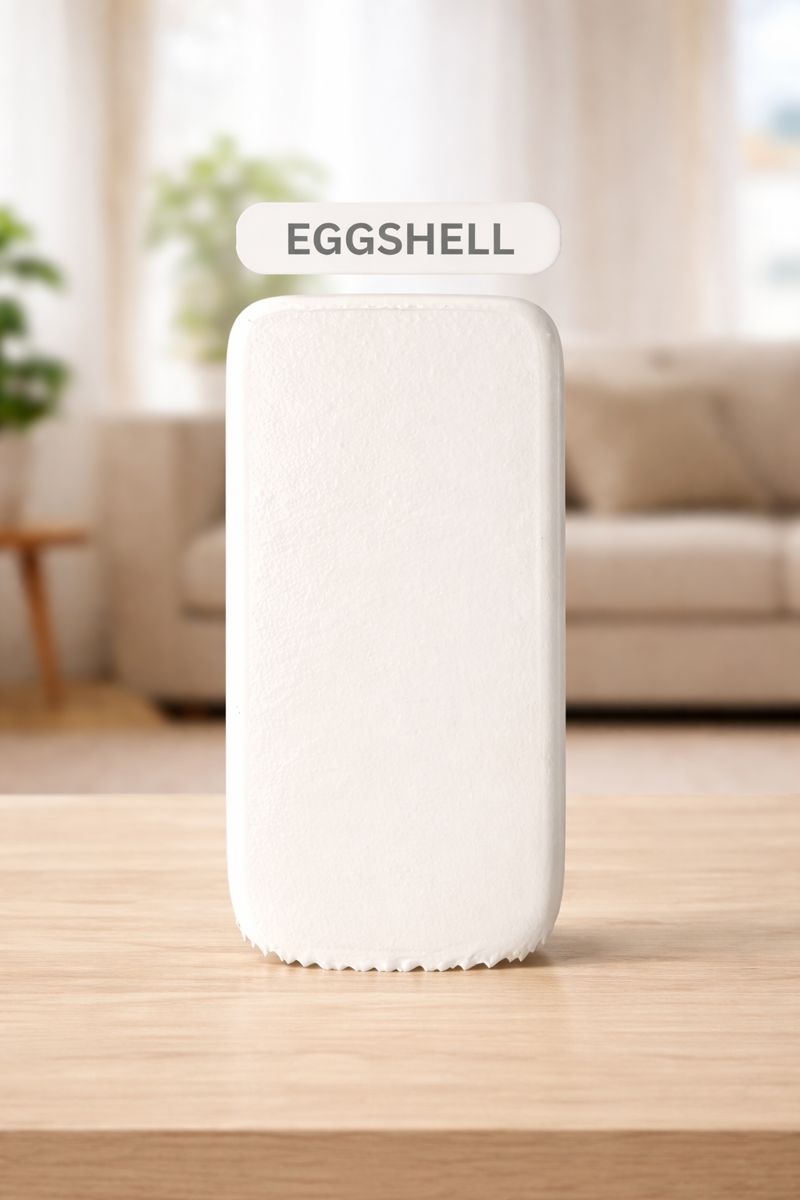
Eggshell paint sits between flat and satin in terms of sheen. It has a soft glow that reflects some light but not enough to draw attention to surface flaws.
You will usually see eggshell used on interior walls where people want a clean look without too much shine.
Common traits of eggshell paint include:
-
Low sheen with a soft appearance
-
Less reflection under natural or overhead light
-
Better at minimizing minor wall imperfections
-
Moderate durability compared to flatter finishes
Eggshell works well in bedrooms, living rooms, hallways, and home offices. It is often chosen when the goal is a calm, consistent look across larger wall areas.
Color also plays a role here. Subtle color shifts can look different depending on sheen, which is why understanding does paint dry darker or lighter becomes helpful when choosing finishes alongside color.
Where Semi-Gloss Paint Performs Best
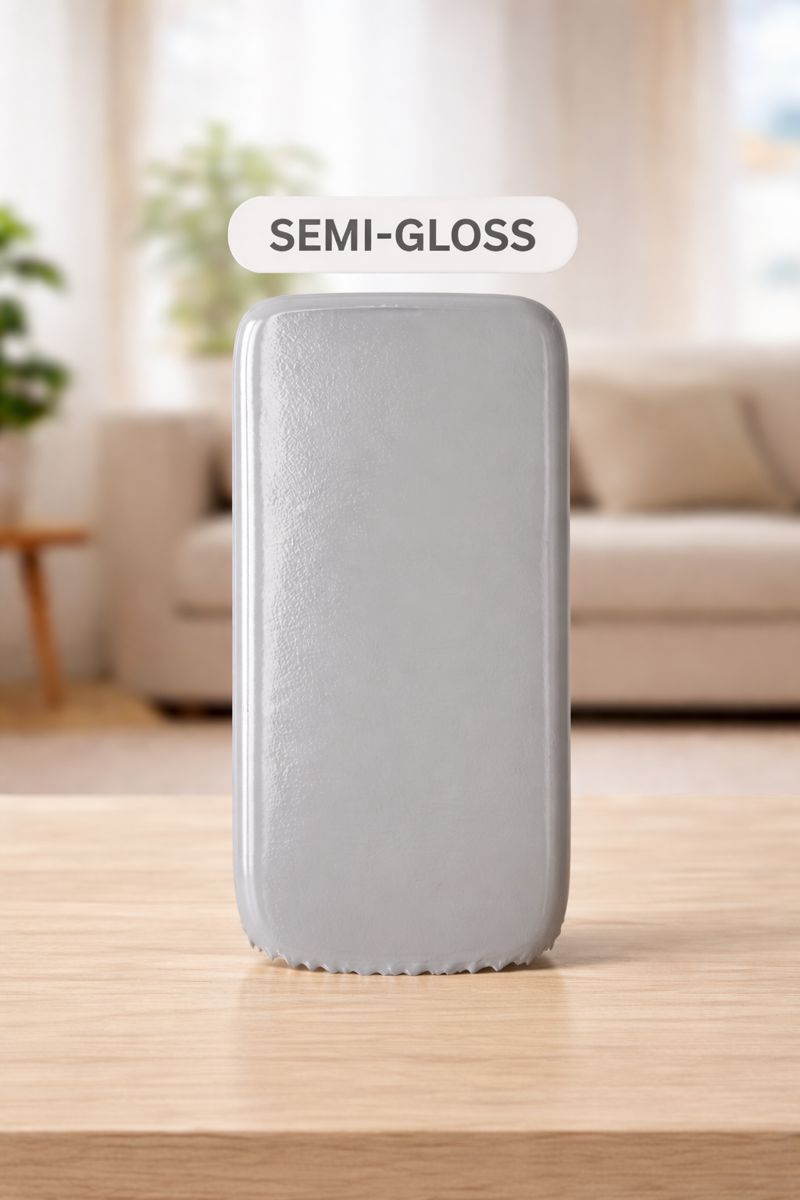
Semi-gloss paint has a noticeably higher sheen and reflects light more directly. That shine is not just cosmetic. It is tied to durability and cleanability.
You will typically find semi-gloss used on surfaces that get touched often or need frequent cleaning.
Semi-gloss is commonly applied to:
-
Interior doors and door frames
-
Baseboards and trim
-
Cabinets and built-ins
-
Windows and window trim
Because semi-gloss reflects more light, it can highlight details like molding profiles and clean edges. That same reflectivity also means surface prep matters more, since dents or uneven texture will show.
When comparing eggshell vs. semi-gloss paint, this is often the clearest dividing line. Walls lean eggshell. Trim and high-use areas lean semi-gloss.
How Light Changes The Look Of Each Finish
Lighting changes everything. A finish that looks subtle in one room can feel harsh in another.
Semi-gloss reflects more light, which can make spaces feel brighter but also more revealing. In rooms with large windows or strong overhead lighting, semi-gloss on walls can feel overwhelming.
Eggshell diffuses light instead of bouncing it directly. That makes it easier on the eyes and more forgiving in rooms where light shifts throughout the day.
If you are thinking through finish choices while planning colors, tools like paint color visualizers can help show how sheen and color interact before anything is applied.
Cleaning And Maintenance Over Time
Cleaning is where eggshell vs. semi-gloss paint starts to separate clearly.
Semi-gloss handles moisture and wiping better. It resists staining and does not absorb grime as easily. That is why it works well in kitchens, bathrooms, and around doors.
Eggshell can be cleaned, but it does not like frequent scrubbing. Occasional wiping is fine, yet repeated cleaning can wear down the finish faster.
For homes with kids, pets, or heavy daily use, this difference matters more than most expect.
Durability And Longevity Considerations
Durability is not only about wear. It is also about how long the paint looks good before it needs attention again.
Semi-gloss tends to last longer on high-touch surfaces because it resists scuffs and moisture. Eggshell lasts well on walls that are not constantly brushed or bumped.
If longevity is a concern, understanding how long does paint last based on finish and location can help set realistic expectations for repainting cycles.
Texture And Feel After Application
Once dry, these finishes feel different to the touch.
Eggshell dries to a smoother, softer surface. Semi-gloss can feel slightly tacky, especially in humid conditions or if coats are applied too close together.
That difference comes from resin content. Semi-gloss contains more resin, which increases durability but also changes how it feels and cures.
This is another reason why finish choice should match the surface and environment, not just appearance.
Cost Differences And What They Really Mean
Eggshell paint usually costs a bit less per gallon than semi-gloss. The difference is tied to resin levels and manufacturing costs.
That price gap is minor on small projects but becomes noticeable on larger spaces. Still, finish should not be chosen based on cost alone.
A lower upfront cost can turn into more frequent repainting if the finish does not suit the space. That tradeoff is easy to miss.
Choosing The Right Finish Room By Room
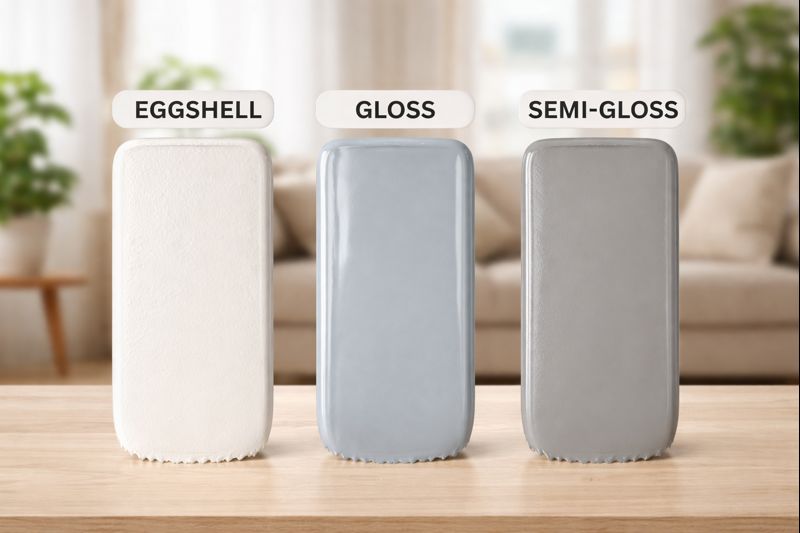
Rather than thinking in terms of preference, it helps to think in terms of function.
Here is a general breakdown many professionals follow:
-
Walls in living areas often work best with eggshell
-
Bedrooms benefit from eggshell due to softer light reflection
-
Kitchens and baths usually need finishes with higher cleanability
-
Trim, doors, and cabinets typically perform better with semi-gloss
For homeowners weighing multiple options, understanding the types of wall paint finishes can provide helpful context when comparing sheen levels beyond just these two.
How Eggshell And Semi-Gloss Compare To Other Finishes
Eggshell and semi-gloss are not the only choices, but they are often compared because they serve very different roles.
If eggshell feels too flat and semi-gloss feels too shiny, finishes like satin may land in the middle. That comparison comes up often when reviewing satin paint vs. matte paint, especially for walls that see moderate use.
The key is matching sheen to surface demands, not forcing one finish to do every painting project.
Common Mistakes When Comparing Eggshell vs. Semi-Gloss Paint
Even with good information, a few mistakes show up repeatedly.
-
Using semi-gloss on large wall areas where light exaggerates flaws
-
Choosing eggshell for trim that needs frequent cleaning
-
Mixing finishes inconsistently across connected rooms
-
Ignoring how natural light affects sheen
Avoiding these issues usually leads to better long-term results.
What To Expect From Professional Application
Finish choice is only part of the outcome. Application quality plays a major role in how eggshell vs. semi-gloss paint performs once installed.
Professional painters focus on:
-
Surface preparation based on finish type
-
Proper spacing between coats
-
Correct tools for each sheen
-
Clean transitions between wall and trim finishes
This approach helps finishes look intentional rather than mismatched.
Final Thoughts On Eggshell vs. Semi-Gloss Paint
Choosing between eggshell vs. semi-gloss paint comes down to how a space is used, how much light it gets, and how often it needs cleaning. Eggshell works well for walls where a softer look and subtle reflection matter. Semi-gloss makes sense for trim and high-touch areas where durability counts.
When finishes are chosen with purpose, the result feels cohesive and lasts longer. Small decisions like sheen selection often have a bigger visual impact than color alone. Matching the finish to the surface usually delivers the best outcome.
At Highland Painting, our process focuses on matching finish to function rather than trends. We proudly serve Southlake, Frisco, Plano, and the surrounding areas.
Call us at 469-642-0972 for a FREE estimate and a clear plan for your next painting project.